Quest Diabetic Clinic and Diagnostics

Menu
10 Warning Signs of Diabetes in Women You Should Never Ignore

Introduction
Diabetes is one of the most common chronic health conditions in the world, and its impact on women is rising every year. Many women experience symptoms early, but they often dismiss them as routine fatigue, hormonal imbalance, or stress. However, recognizing the early signs of diabetes in women is essential, as timely diagnosis and treatment can prevent long-term complications such as nerve damage, kidney problems, vision issues, and heart disease.
Women may experience certain symptoms differently than men due to hormonal fluctuations, pregnancy-related changes, and lifestyle factors. Understanding these symptoms helps women take charge of their health and seek medical attention at the right time. Centers like Quest Diabetic Clinic & Diagnostic Center play an important role in early detection through accurate tests and evaluations.
Why Diabetes Symptoms in Women Can Be Different
Although diabetes affects both men and women, females are more likely to experience infections, hormonal irregularities, and complications. This happens because:
- Hormones fluctuate during menstruation, pregnancy, and menopause, affecting insulin sensitivity.
- Women are more prone to certain infections, especially urinary tract and yeast infections.
- Pregnancy and PCOS (Polycystic Ovary Syndrome) increase insulin resistance, raising diabetes risk.
Because of these factors, the symptoms of diabetes in women can sometimes be subtle, confusing, or mistaken for other health issues. Early testing and timely consultation are essential for accurate diagnosis.
Top 10 Warning Signs of Diabetes in Women
1. Frequent Urination
One of the earliest and most noticeable symptoms is needing to urinate more often. High blood sugar pulls extra fluid from the tissues, forcing the kidneys to work harder and produce more urine. Women may experience this more intensely, especially at night.
2. Excessive Thirst
With frequent urination comes dehydration. Women may feel constantly thirsty, even after drinking plenty of water. If this pattern continues, it could be one of the major early signs of diabetes in women.
3. Unexplained Weight Loss
Women who are eating normally—or even more than usual—but still losing weight should not ignore this symptom. When the body cannot use glucose for energy, it begins burning fat and muscle, resulting in sudden weight loss.
4. Extreme Fatigue
Constant tiredness, lack of energy, or feeling drained even after rest may indicate fluctuating blood sugar levels. Fatigue is one of the most common symptoms of diabetes in women and can affect daily activities, concentration, and mood.
5. Increased Hunger
If you feel hungry soon after meals, it may be because your body isn’t absorbing glucose properly. Women with rising insulin resistance may feel constantly hungry, especially for sugary or carb-loaded foods.
6. Blurred Vision
High blood sugar can cause swelling in the lenses of the eyes, leading to temporary blurred vision. Without diagnosis or treatment, it can progress to long-term vision problems.
7. Slow-Healing Wounds
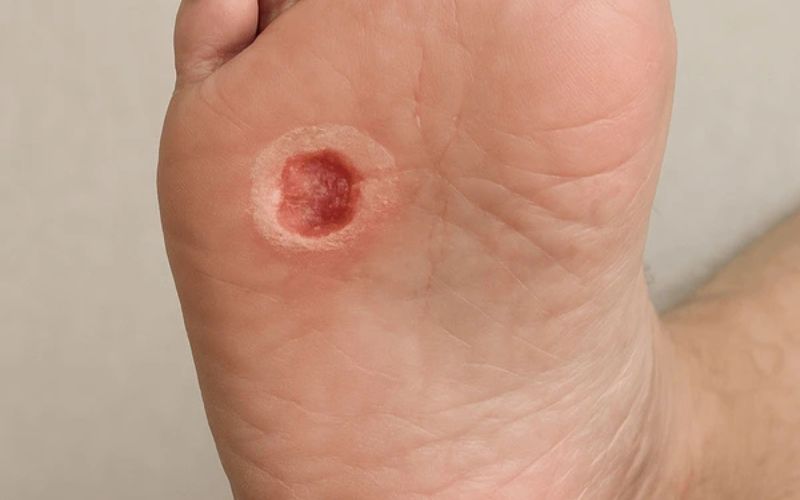
Small cuts, bruises, or wounds taking longer than usual to heal can be a sign of diabetes. High sugar levels damage blood vessels, reducing blood flow and delaying healing. Women may notice this especially on their feet or legs.
8. Frequent Infections (UTIs and Yeast Infections)
Women with diabetes are at a higher risk of urinary tract infections and yeast infections due to increased glucose levels that encourage bacterial and fungal growth. Repeated infections can be one of the strongest early signs of diabetes in women.
Symptoms include:
- Burning sensation during urination
- Frequent urge to urinate
- Vaginal itching
- White or thick discharge
9. Tingling or Numbness in Hands and Feet
High sugar levels damage nerves over time, causing tingling, burning, or numbness—known as diabetic neuropathy. Women experiencing these symptoms early should get tested immediately.
10. Dark Patches on Skin (Acanthosis Nigricans)
Women with insulin resistance may develop dark, velvety patches on the neck, underarms, elbows, or groin. This skin change is often one of the earliest signs of high blood sugar.
Additional Symptoms of Diabetes in Women
Along with the major warning signs, women may also notice:
- PCOS-related symptoms: irregular periods, weight gain, acne
- Low sexual desire or vaginal dryness
- Mood changes, irritability, or anxiety
These may be overlooked but can be linked to blood sugar imbalance.
When Should Women Visit a Doctor?
If any of these signs persist for more than two weeks, it’s important to get evaluated. Blood tests such as fasting sugar, HbA1c, and post-meal sugar levels help confirm the diagnosis. Reliable diagnostic facilities like Quest Diabetic Clinic & Diagnostic Center provide accurate diabetes testing that helps women understand their health condition clearly.
Seeking medical help early can prevent severe complications like nerve damage, kidney disease, heart problems, and diabetic eye disease.
Risk Factors for Diabetes in Women
Women are at higher risk if they have:
- Family history of diabetes
- Polycystic Ovary Syndrome (PCOS)
- Obesity or excess belly fat
- Sedentary lifestyle
- History of gestational diabetes
- High blood pressure or abnormal cholesterol levels
- Unhealthy diet or stress-filled lifestyle
Understanding these risk factors helps women take preventive action early.
How Women Can Reduce Their Risk of Diabetes
Preventing diabetes—or managing it early—is possible through lifestyle changes:
1. Eat a Balanced Diet
Include whole grains, vegetables, fruits, lean proteins, and healthy fats. Avoid sugary drinks, processed foods, and refined carbs.
2. Stay Physically Active
Aim for at least 30 minutes of moderate exercise daily. Walking, cycling, yoga, and strength training all help improve insulin sensitivity.
3. Maintain a Healthy Weight
Even losing 5–7% of body weight can significantly lower diabetes risk.
4. Manage Stress
Regular meditation, deep breathing, and adequate sleep can stabilize blood sugar levels.
5. Get Routine Blood Tests
Regular testing at centers like Quest Diabetic Clinic & Diagnostic Center helps women monitor their sugar levels and detect changes early.
Conclusion
Diabetes in women can develop silently, and its early symptoms are often mistaken for everyday health issues. Recognizing the symptoms of diabetes in women—such as fatigue, frequent infections, increased thirst, or slow wound healing—can help detect the condition before complications arise. Women should never ignore the warning signs listed above.
Early diagnosis and timely care are essential for long-term health. If you or someone you know experiences these symptoms, getting evaluated at a trusted center like Quest Diabetic Clinic & Diagnostic Center can ensure accurate diagnosis and a proper treatment plan. Taking action today can prevent serious complications tomorrow.
Sign up our newsletter to get update information, news and free insight.
Latest Post

Understanding Childhood Obesity: Causes, Health Risks & Early Prevention
March 6, 2026
No Comments

Diet Plan for Sugar Patient: Daily Food Guide for Better Sugar Control
February 16, 2026
No Comments
Diabetic Foot Care: Simple Daily Steps to Protect Your Feet
February 16, 2026
No Comments

Can Lack of Sleep Affect Your Heart? Expert Tips for Better Heart Health
February 6, 2026
No Comments

Protect Your Heart This Winter: Effects, Risks & Prevention Tips
January 30, 2026
No Comments

Schedule Your Appointment Today for Expert Care!
Easily schedule your appointment with Quest Diabetic Clinic and Diagnostic Center by calling us or using our online booking system. Choose your service, pick a convenient time, and provide your details for a smooth, hassle-free experience. We’re here to support your health journey!
Contact No.
+(91) 89727 75902
Book an Appointment
Scheduling your care has never been easier—just a few clicks and you’re all set.
Choose your time, your provider, and get the care you need, hassle-free.