Introduction
Living with diabetes requires extra care—especially for your feet. Even a small blister or cut can turn serious if left untreated. Diabetic foot problems are among the most common and serious complications of diabetes, often leading to pain, infection, and even amputation if ignored.
For people living with diabetes in Asansol, proactive foot care is essential. The team at Quest Diabetic Clinic & Diagnostic Center, a trusted diabetic care clinic in Asansol, specializes in comprehensive diabetes management and advanced diabetic foot care in Asansol to keep your feet healthy and protected.
What Are Diabetic Foot Problems?
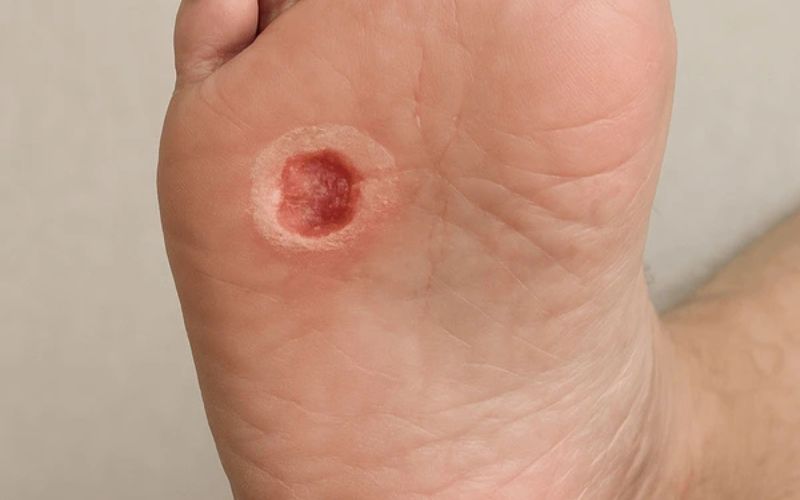
Diabetic foot problems develop mainly due to nerve damage (neuropathy) and poor blood circulation caused by high blood sugar levels. These conditions make it harder to feel injuries and slower for wounds to heal.
- Ulcers (open sores or wounds)
- Infections (caused when bacteria enter minor cuts)
- Neuropathy (numbness or tingling due to nerve damage)
- Poor circulation (slowing the healing process)
Early warning signs:
- Numbness or tingling
- Swelling
- Redness or discoloration
- Blisters, cuts, or wounds that heal slowly
- Foul odor or drainage
Why Prevention Is Crucial
Unmanaged diabetes doubles the risk of serious foot problems. Globally, up to 15% of diabetic patients develop foot ulcers, and untreated infections can lead to hospitalization or even amputation. Early intervention reduces complications, improves quality of life, and lowers healthcare costs.
Regular diabetic foot care in Asansol can help prevent these issues before they become severe. At Quest Diabetic Clinic, specialists offer personalized care and guidance to maintain your foot health.
Preventive Care Tips
Here are some essential diabetic foot care tips recommended by experts at our diabetic care clinic in Asansol:
- Inspect your feet daily for cuts, blisters, redness, or swelling.
- Clean your feet with warm water and mild soap—dry thoroughly, especially between toes.
- Choose proper footwear that fits comfortably and provides good support. Avoid high heels and sandals with open toes.
- Moisturize your feet (except between toes) to prevent skin cracks.
- Trim toenails straight across; avoid cutting too close or injuring the skin.
- Never walk barefoot, even at home, to prevent injuries.
Home Management Strategies
- If you find blisters, cuts, or sores:
- Clean the area gently
- Apply antiseptic if advised by your doctor
- Cover with sterile gauze
- If wounds don’t heal, show signs of infection, or get worse, contact your healthcare provider.
- Reliable home remedies like proper hygiene and wearing socks can help, but always consult your doctor first.
When To Visit a Clinic
Seek immediate medical attention if you notice:
- Persistent pain or swelling
- Non-healing wounds
- Changes in skin color or temperature
- Any discharge or foul smell
Regular screenings at Quest Diabetic Clinic help catch problems early and offer advice tailored to your needs.
Conclusion
Proactive foot care is the cornerstone of diabetes management. Regular inspections, proper hygiene, and timely medical attention help prevent serious complications.
Book your foot screening or diabetes consultation at Quest Diabetic Clinic, Asansol, for expert care and peace of mind.
Frequently Asked Questions
Q1. Can diabetic foot problems be reversed?
Minor issues may heal, but prevention and early treatment are vital. Severe complications might not be fully reversible.
Q2. How often should I check my feet?
Every day—ideally after bathing and before bedtime.
Q3. What shoes are best for diabetics?
Well-fitting, closed-toe shoes with soft insoles. Avoid shoes with high heels or rough seams.
Q4. How often should I visit a diabetic foot specialist?
At least once every 3–6 months for a professional foot examination, or sooner if you notice pain, wounds, or color changes.