Introduction
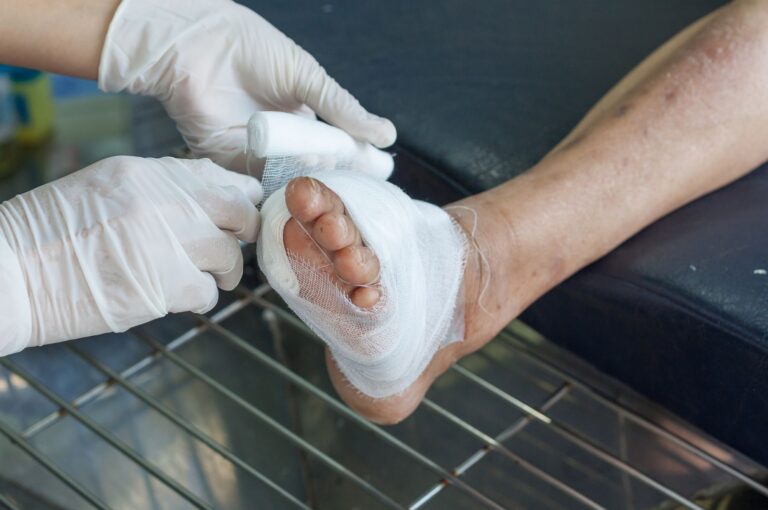
Diabetes affects many parts of the body, but one of the most commonly ignored areas is the feet. People living with diabetes are at a higher risk of foot problems due to poor blood circulation, nerve damage, and slow wound healing. Even a small cut or blister can turn into a serious infection if not treated on time.
In Asansol, the number of diabetes cases is increasing rapidly, making awareness and prevention more important than ever. Proper daily foot care can help prevent complications such as infections, ulcers, and even amputations. With the right habits and regular medical care, diabetic patients can protect their feet and maintain a healthy, active life.
At Quest Diabetic Clinic, Asansol, diabetic foot care is an essential part of complete diabetes management. This guide will help you understand simple daily steps to keep your feet safe and healthy.
Why Foot Care Is Crucial for People with Diabetes
People with diabetes often develop complications that directly affect foot health. These include:
1. Poor Blood Circulation
Diabetes can reduce blood flow to the feet, making it harder for wounds to heal properly.
2. Nerve Damage (Diabetic Neuropathy)
Nerve damage may cause numbness, tingling, or loss of sensation. This means patients may not feel cuts, burns, or injuries.
3. Slow Wound Healing
High blood sugar levels slow down the body’s natural healing process, increasing infection risk.
4. Higher Risk of Infections
Even minor wounds can become serious infections if ignored.
Because of these risks, regular foot care and checkups at a diabetes clinic in Asansol are essential for long-term health and safety.
Common Diabetic Foot Problems
Diabetic patients commonly experience the following foot issues:
- Foot ulcers
- Dry skin and cracked heels
- Fungal infections
- Corns and calluses
- Swelling in feet
- Numbness or burning sensation
- Changes in skin color
Early detection and treatment at a diabetes care center in Asansol can prevent these problems from becoming serious.
Daily Foot Care Routine for Diabetic Patients
A simple daily routine can make a big difference in preventing foot complications:
Clean Your Feet Daily
Wash your feet gently with lukewarm water and mild soap.
Dry Properly
Dry your feet completely, especially between the toes, to prevent fungal infections.
Moisturize Carefully
Apply moisturizer to prevent dryness, but avoid applying cream between toes.
Inspect Your Feet
Check daily for cuts, redness, blisters, swelling, or wounds.
Nail Care
Trim nails straight and avoid cutting too close to the skin.
Clean Socks & Shoes
Wear clean, dry socks and comfortable shoes every day.
Regular foot care combined with routine visits to Quest Diabetic Clinic, Asansol ensures long-term protection.
Do’s and Don’ts of Diabetic Foot Care
Do’s
- Visit a diabetes clinic in Asansol for regular checkups
- Maintain proper blood sugar levels
- Wear comfortable footwear
- Treat wounds immediately
- Keep feet clean and dry
Don’ts
- Walk barefoot
- Ignore small injuries
- Use hot water directly on feet
- Cut corns or calluses yourself
- Delay medical treatment
How to Choose the Right Footwear for Diabetes Patients
Proper footwear plays a major role in foot protection:
- Choose shoes with soft inner lining
- Ensure proper fitting (not tight, not loose)
- Use breathable material
- Avoid high heels or narrow shoes
- Use anti-slip soles
Good footwear reduces pressure points and lowers the risk of ulcers and wounds.
Warning Signs You Should Never Ignore
Seek medical help immediately if you notice:
- Non-healing wounds
- Foot ulcers
- Skin discoloration
- Persistent swelling
- Redness or warmth
- Pus or discharge
- Loss of sensation
These signs require urgent attention from a diabetes specialist in Asansol.
When to Visit Quest Diabetic Clinic, Asansol
You should consult a doctor if you experience:
- Recurrent infections
- Foot ulcers
- Severe pain
- Numbness in feet
- Nail infections
- Skin cracks that do not heal
Quest Diabetic Clinic in Asansol provides complete diabetes care, including foot screening, preventive care, and complication management.
Prevention Tips for Long-Term Foot Health
- Maintain controlled blood sugar levels
- Get regular foot screenings
- Follow a healthy diet
- Stay physically active
- Keep regular appointments at a diabetes care center in Asansol
- Practice daily foot care
Prevention is always better than treatment when it comes to diabetic foot problems.
Conclusion
Diabetic foot care is not just about hygiene—it is about protecting your mobility, independence, and quality of life. Simple daily habits can prevent serious complications and long-term health issues. By staying alert, following proper foot care routines, and seeking professional help early, diabetic patients can live a safer and healthier life.
For expert diabetic foot care in Asansol, trust Quest Diabetic Clinic – your reliable diabetes care center in Asansol for complete diabetes management, prevention, and long-term health support.