Introduction
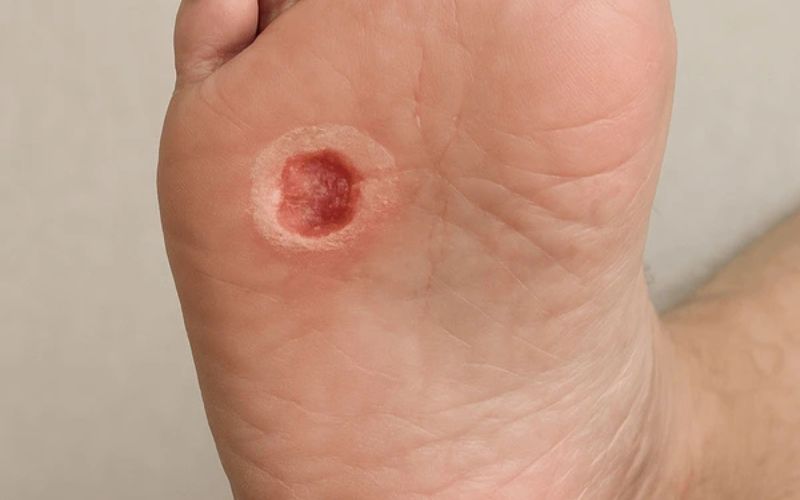
A diabetic wound can turn serious if not treated on time. People with diabetes often experience slow wound healing because high blood sugar affects circulation, nerve health, and the body’s ability to repair tissues. This is why wound healing in diabetes requires extra care and attention.
At Quest Diabetic Clinic & Diagnostic Center, we help patients manage their wounds safely, prevent infections, and speed up the healing process with proper medical guidance.
Why Diabetic Wound Healing Is Slow
Diabetes affects how the body naturally heals itself. Here’s why diabetic wound healing takes longer:
1. High Blood Sugar Levels
High glucose levels damage blood vessels and reduce the supply of oxygen and nutrients needed for healing.
2. Poor Blood Circulation
Reduced blood flow slows down the healing of diabetic wounds and increases the risk of complications.
3. Nerve Damage (Neuropathy)
Nerve damage reduces the ability to feel cuts, blisters, or infections, especially in the feet. Many patients don’t notice a problem until the wound becomes serious.
4. Higher Risk of Infection
People with diabetes have a weaker immune response. Even small wounds can get infected, delaying healing.
Early Signs of a Diabetic Wound You Should Never Ignore
Recognizing early symptoms helps prevent complications. Visit a doctor immediately if you notice:
- Redness or swelling
- Pain, numbness, or tingling
- A wound that is not closing
- Fluid discharge or foul smell
- Darkened skin or hardened skin around the wound
- Warmth or tenderness in the area
If you experience any of these signs, visit Quest Diabetic Clinic & Diagnostic Center for quick evaluation and treatment.
Step-by-Step Care Routine for Healing Diabetic Wounds Faster
1. Clean the Wound Properly
Use mild soap and clean water. Avoid using harsh antiseptics like hydrogen peroxide unless your doctor advises.
2. Keep the Wound Moist
Moist wound healing helps tissues repair faster. Your doctor may recommend medicated gels or ointments to maintain moisture.
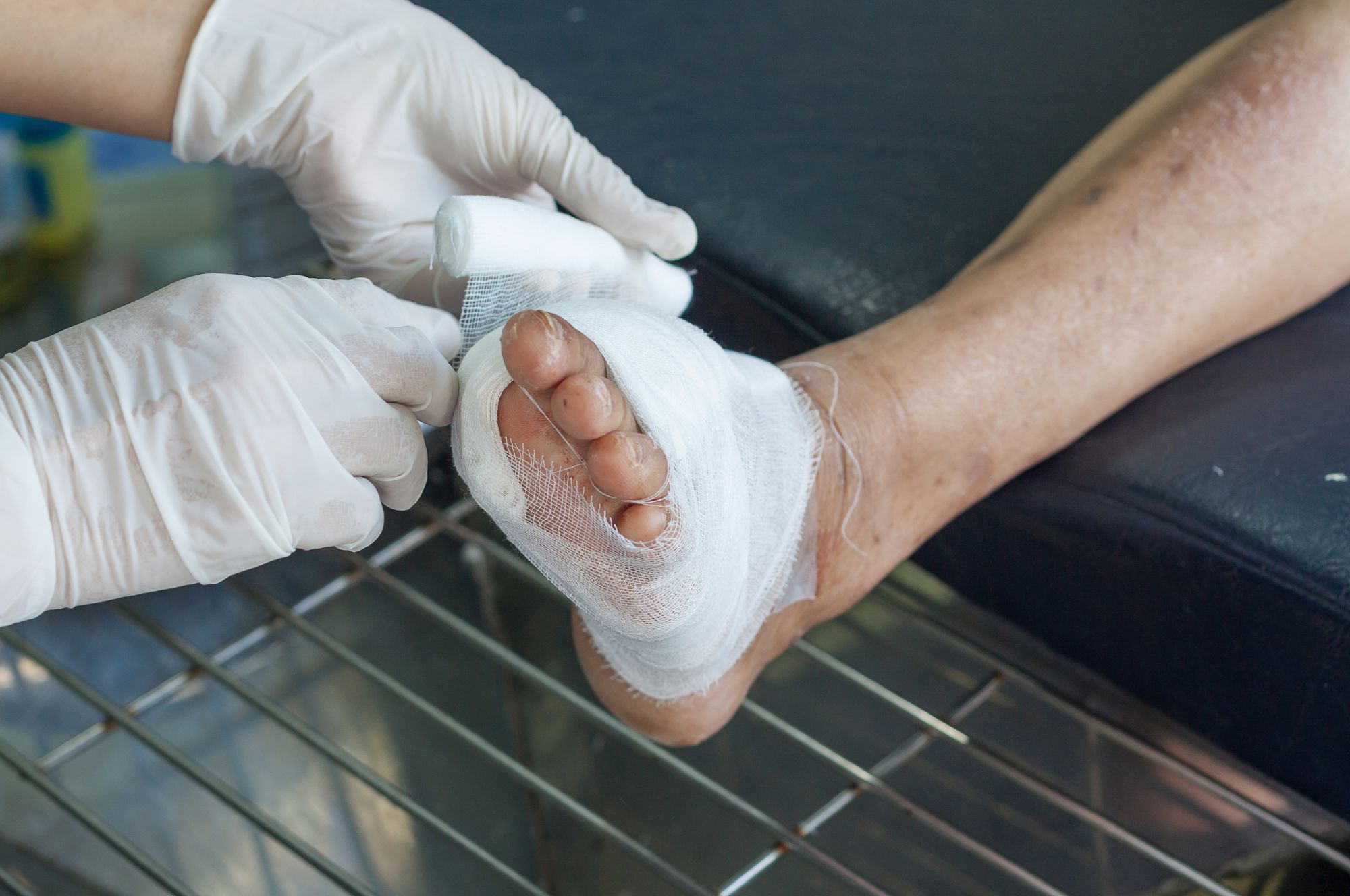
3. Change Dressings Regularly
Clean dressings protect the wound from infection. Replace them daily or as advised by your doctor.
4. Reduce Pressure on the Wound
Avoid putting weight or friction on the wound, especially if it’s on your foot. Use diabetic footwear or soft paddings.
5. Monitor Blood Sugar Levels
Maintaining good glucose control is essential for healing diabetic wounds. High sugar slows healing and increases infection risk.
6. Avoid Home Remedies Without Guidance
Applying toothpaste, powders, or oils can worsen the wound. Always follow medical advice.
7. Stay Hydrated
Drinking enough water supports healthy blood circulation and tissue repair.
Medical Treatments That Support Diabetic Wound Healing
If home care is not enough, the following advanced treatments may be recommended:
1. Antibiotics
Used when there is an infection or the wound shows signs of bacterial growth.
2. Debridement
The removal of dead or infected tissue to promote new tissue growth.
3. Advanced Wound Dressings
Hydrogel, foam, alginate, or collagen dressings help speed up diabetic wound healing.
4. Negative Pressure Wound Therapy
A suction device is used to remove excess fluid and improve healing.
At Quest Diabetic Clinic & Diagnostic Center, expert diabetologists provide safe and effective treatments for faster wound recovery.
Best Diet and Lifestyle Tips for Faster Wound Healing in Diabetes
1. Eat Foods That Repair Tissue
Include:
- Eggs
- Lentils
- Fish
- Leafy greens
- Nuts and seeds
- Vitamin C-rich fruits
These help build collagen and repair damaged skin.
2. Stay Active
Light walking or physiotherapy helps improve blood circulation, which is important for wound healing in diabetes.
3. Quit Smoking
Smoking reduces oxygen flow and slows down the healing process drastically.
4. Manage Blood Sugar Levels
Take medicines regularly, follow a diet plan, and avoid sugary foods to speed up healing diabetic wounds.
5. Maintain a Healthy Weight
Being overweight puts pressure on the feet and increases the risk of foot ulcers.
How to Prevent Future Diabetic Wounds
1. Inspect Your Feet Daily
Look for cuts, blisters, cracks, or redness—especially if you have neuropathy.
2. Wear Proper Diabetic Footwear
Choose shoes with soft cushioning to prevent friction and pressure.
3. Moisturize Your Skin
Dry skin cracks easily and increases the risk of infections.
4. Avoid Walking Barefoot
Even small stones or objects can create wounds that go unnoticed.
5. Schedule Regular Checkups
Routine foot exams at Quest Diabetic Clinic & Diagnostic Center help detect early problems.
When to Visit Quest Diabetic Clinic & Diagnostic Center
Seek immediate medical care if:
- The wound is not healing after 7–10 days
- You see pus, bad smell, or redness spreading
- You have fever along with a wound
- The wound becomes black or very painful
- You have diabetes and notice any cut, blister, or ulcer
Early treatment prevents complications like deep infections and diabetic foot ulcers.
Conclusion
Healing diabetic wounds requires proper care, blood sugar control, and timely medical attention. By following the right cleaning methods, protecting the wound, eating healthy, and avoiding pressure on the affected area, you can speed up recovery.
For expert diabetic wound healing care and complete diabetes management, visit Quest Diabetic Clinic & Diagnostic Center. Early care not only speeds healing but also helps prevent serious complications.