Introduction
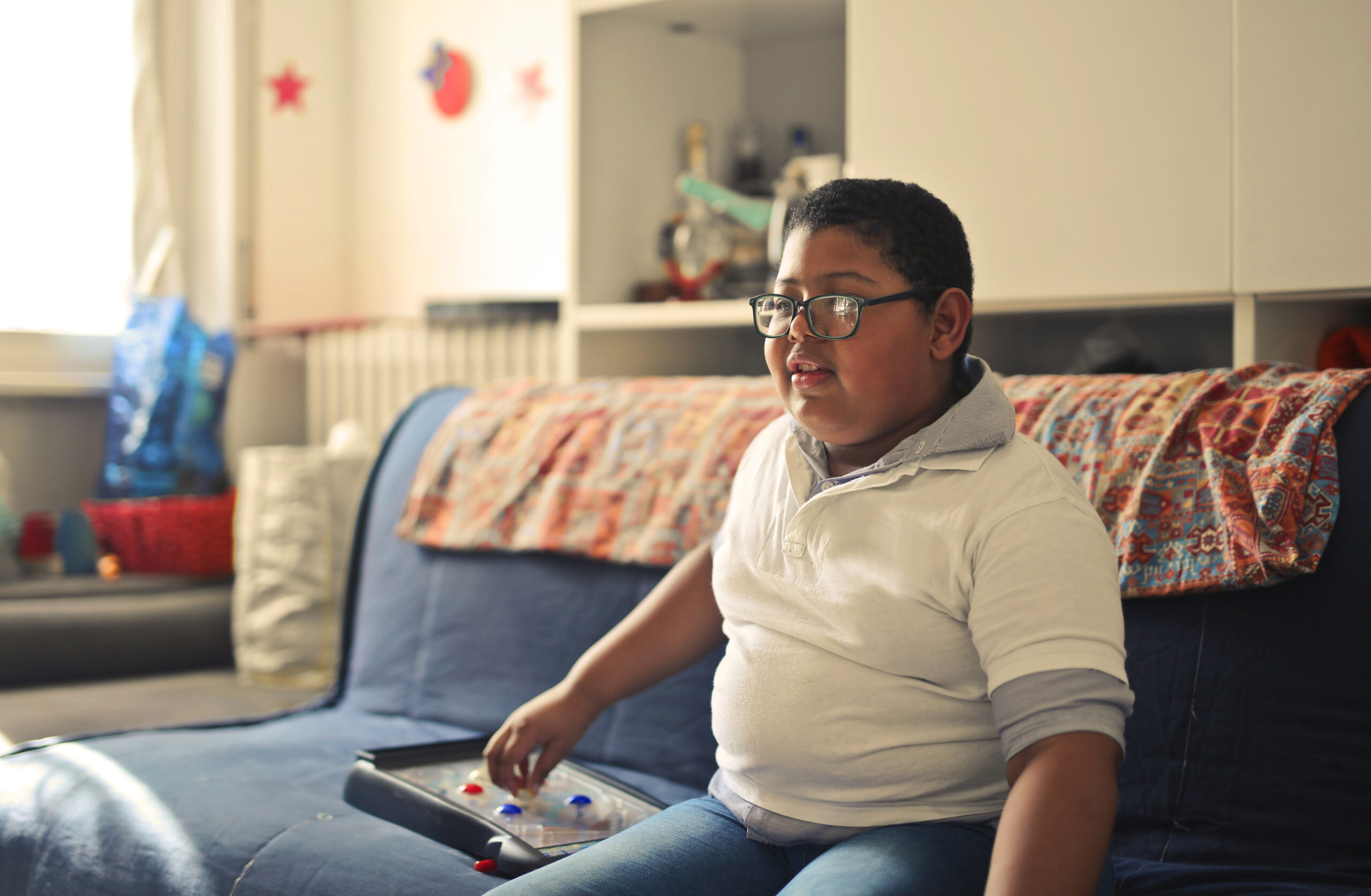
Childhood obesity is becoming one of the most common health concerns worldwide, including in India. Many parents assume that “baby fat” is normal and children will outgrow it. However, excess weight during childhood can lead to serious long-term health problems if not addressed early.
With increasing screen time, unhealthy eating habits, and reduced physical activity, more children today are at risk of obesity and related conditions such as diabetes and high cholesterol. Early screening and preventive care play a crucial role in protecting a child’s future health.
At Quest Diabetic Clinic & Diagnostic Center, early diagnosis and preventive health checkups help parents identify risk factors before they turn into serious complications.
What Is Childhood Obesity?
Childhood obesity occurs when a child’s weight is significantly higher than what is considered healthy for their age and height. Doctors usually assess this using BMI (Body Mass Index) for age percentiles.
- Overweight: BMI between the 85th and 95th percentile
- Obese: BMI above the 95th percentile
Identifying obesity early helps prevent complications such as insulin resistance and type 2 diabetes.
Why Is Obesity Increasing in Children?
Several lifestyle and environmental factors contribute to rising childhood obesity rates:
1. Unhealthy Eating Habits
Children today consume more fast food, packaged snacks, sugary drinks, and processed foods. High-calorie, low-nutrient diets lead to excess weight gain.
2. Lack of Physical Activity
Outdoor games are decreasing, and physical activity is being replaced by indoor entertainment. Children need at least 60 minutes of daily physical activity for healthy growth.
3. Excess Screen Time
Mobile phones, television, and video games reduce movement and encourage mindless snacking, contributing to weight gain.
4. Genetic & Family Factors
If parents are overweight or diabetic, children may have a higher risk due to both genetics and shared lifestyle habits.
5. Poor Sleep Patterns
Irregular sleep affects hormones that regulate hunger and metabolism, increasing obesity risk.
Health Risks of Childhood Obesity
Childhood obesity is not just about appearance—it can seriously impact overall health.
1. Type 2 Diabetes
Obesity increases insulin resistance, leading to higher blood sugar levels.
2. High Blood Pressure
Excess weight strains the heart and blood vessels.
3. High Cholesterol
Unhealthy diets can lead to abnormal lipid levels even in children.
4. Fatty Liver Disease
Fat accumulation in the liver is increasingly seen in overweight children.
5. Hormonal Imbalances
Obesity can affect puberty and growth patterns.
6. Emotional & Psychological Issues
Low self-esteem, bullying, and anxiety are common in obese children.
Early diabetes screening and blood tests can help detect these risks before complications develop.
Warning Signs Parents Should Not Ignore
Parents should consult a doctor if they notice:
- Rapid or continuous weight gain
- Breathlessness during mild activity
- Dark patches around the neck (a sign of insulin resistance)
- Strong family history of diabetes or thyroid disorders
- Abnormal lab reports
Early testing can prevent long-term complications.
Early Prevention & Management Tips
1. Encourage a Balanced Diet
- Increase fruits, vegetables, and whole grains
- Reduce sugary drinks and processed foods
- Promote home-cooked meals
2. Promote Daily Physical Activity
- At least 60 minutes of exercise daily
- Outdoor sports and active play
3. Limit Screen Time
- Set fixed time limits for TV and mobile use
4. Ensure Regular Health Checkups
Routine BMI monitoring, blood sugar tests, and lipid profiles are important for children at risk.
When Should You Visit a Doctor?
You should consult a healthcare professional if:
- Your child is overweight and showing symptoms like fatigue or excessive thirst
- There is a family history of diabetes or obesity
- School health reports indicate abnormal BMI
- You notice sudden changes in eating habits or activity levels
Early medical guidance can make a significant difference.
Conclusion
Childhood obesity is a growing health concern, but it is preventable with the right awareness and early action. Healthy eating habits, regular physical activity, and routine health checkups can protect your child from serious future health problems like diabetes and heart disease.
At Quest Diabetic Clinic & Diagnostic Center, we are committed to helping families build a healthier future through early screening and preventive care. Taking action today can ensure a healthier tomorrow for your child.
Frequently Asked Questions (FAQs)
- What causes childhood obesity?
Unhealthy diet, lack of exercise, genetics, excessive screen time, and poor sleep are common causes. - Can childhood obesity lead to diabetes?
Yes. Obesity increases insulin resistance, which can lead to type 2 diabetes. - How can I help my child lose weight safely?
Focus on balanced nutrition, regular exercise, reduced screen time, and regular health checkups. - When should a child get tested for diabetes?
If the child is overweight with a family history of diabetes or shows symptoms like excessive thirst and fatigue, screening is recommended.